

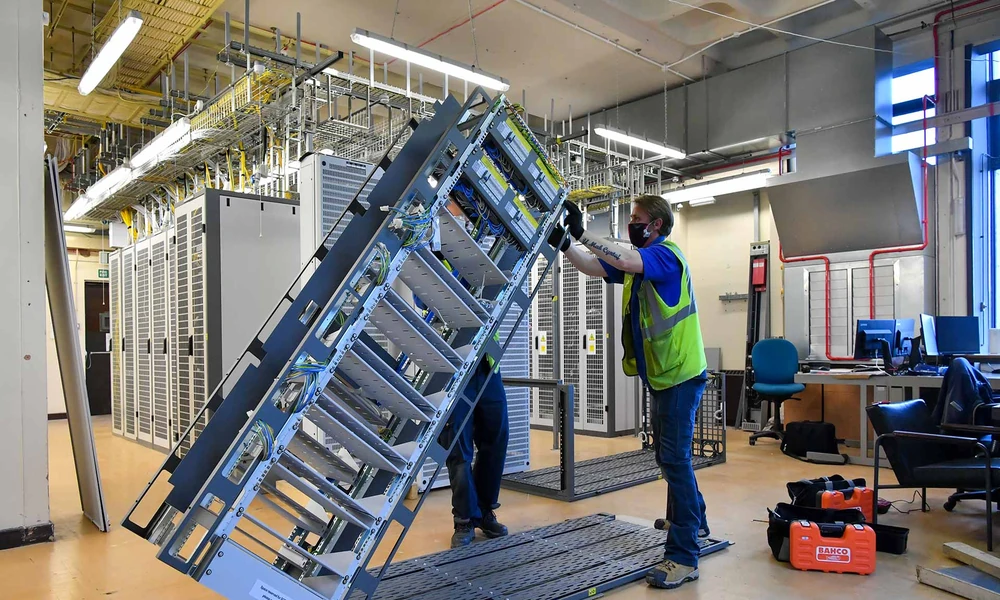
Moving sensitive computing hardware requires careful planning, secure handling, and accurate coordination. Businesses depend on dependable data center equipment shipping to protect valuable components throughout every stage of movement. Even minor handling errors can cause delays, equipment damage, or unexpected expenses. A clear process helps teams prepare each unit, select suitable packing materials, monitor progress, and confirm safe arrival. Strong preparation also supports installation schedules, protects important records, and reduces avoidable problems during delivery. Careful oversight makes equipment movement easier to manage.
What Makes Transport Planning Essential?
Good preparation helps teams identify possible risks before valuable hardware leaves storage. Clear schedules, assigned duties, and documented requirements prevent confusion during movement. Early coordination also supports timely installation.
How Should Hardware Be Prepared?
Every unit needs suitable protection before handling begins. Staff should inspect components, record existing conditions, and follow manufacturer guidance. Proper preparation reduces damage risks during loading.
Which Packing Materials Protect Servers?
Strong containers and suitable cushioning help prevent impacts during handling. Protective covers also limit dust exposure. Choosing materials according to equipment size improves stability throughout the journey.
Which Checks Improve Packaging Quality?
A final packaging review confirms that equipment remains protected before departure. Staff should examine closures, cushioning, labels, and internal movement. These checks reduce avoidable handling problems.
– Practical checks include inspecting container strength.
– Protective materials should remain firmly positioned.
– Labels must stay readable throughout handling.
– Seals should show signs of interference.
– Records should match the packed contents.
Why Are Inventory Records Important?
Accurate records help teams identify each component quickly. Serial numbers, photographs, and item descriptions support tracking. These details also simplify checks when shipments reach their destination.
How Can Teams Reduce Handling Risks?
Trained workers should follow clear lifting procedures and use appropriate handling equipment. Limiting unnecessary movement protects delicate parts. Regular checks help identify unsafe practices before damage occurs.
What Supports Secure Equipment Movement?
Security measures protect valuable components against loss or unauthorized access. Sealed containers, controlled access, and verified handovers create accountability. Written records help confirm responsibility throughout each transfer.
How Does Scheduling Prevent Delivery Delays?
Well planned schedules connect collection, transit, site access, and installation activities. Teams should allow time for inspections and unexpected interruptions. Clear communication helps everyone prepare for arrival.
How Can Teams Monitor Shipment Progress?
Tracking systems provide useful updates about location, condition, and estimated arrival. Staff can review progress and respond quickly when problems appear. Regular communication keeps receiving teams informed and prepared.
What Information Should Labels Include?
Clear labels help handlers recognize equipment requirements without opening containers. Instructions should remain visible and easy to understand. Correct identification also reduces confusion during storage and delivery.
– Include unique item identification numbers.
– Mark sensitive components for careful handling.
– Add clear orientation instructions where necessary.
– Record the receiving department or team.
– Keep supporting documents readily accessible.
Why Does Receiving Inspection Matter?
Arrival checks confirm whether components match shipping records and remain suitable for installation. Staff should inspect packaging before opening containers. Any damage requires prompt documentation and reporting.
– Compare delivered items against inventory records.
– Examine containers for visible damage.
– Verify component identification details.
– Record missing or incorrect items.
– Obtain confirmation from authorized receiving staff.
How Can Teams Control Shipping Costs?
Cost control begins with accurate measurements, suitable packaging, and realistic scheduling. Comparing service options helps businesses balance protection, speed, and expense. Reliable data center equipment shipping also depends on preventing avoidable rework.
– Consolidate compatible items when appropriate.
– Avoid unnecessary packaging dimensions.
– Confirm service requirements before booking.
– Track additional handling charges.
– Review supplier performance regularly.
Reliable hardware movement depends on preparation, protection, communication, and careful verification. Businesses should establish written procedures, train responsible workers, and review performance after every delivery. A consistent method helps prevent losses, supports installation readiness, and improves accountability. By combining suitable packaging with accurate records and prompt issue reporting, teams can strengthen operational reliability while controlling unnecessary expenses.
