

Having caught the AI wave early enough to book a roughly 20x return, Alejandro Betancourt López faces the harder question that follows any big win: what comes next, and where does the value migrate now that everyone else has noticed the trade?
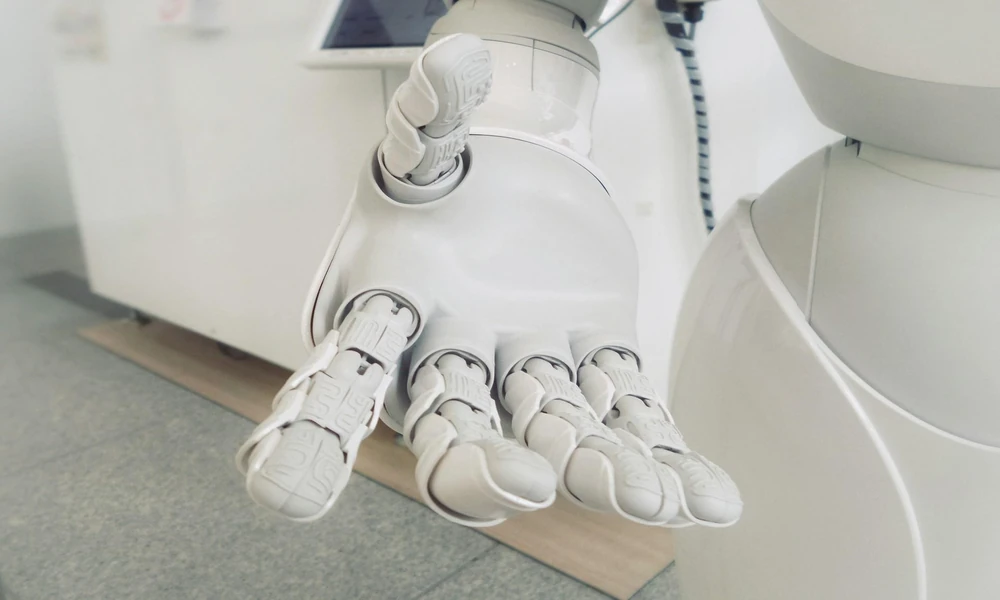
His answer points away from screens and toward machines. Through O’Hara Administration, he is steering capital into robotics and technology manufacturing. He frames them as the next stage of the same thesis.
From Screens to Machines
O’Hara’s focus has broadened to include robotics and technology manufacturing alongside AI. He frames all of it as one thesis, that physical-world applications of AI will generate the next concentration of value as the technology moves off the server and into hardware.
It’s the same instinct that put him into software-era AI early, now aimed at where he believes the money travels after the current boom matures. The target changed; the reasoning didn’t. Robotics and hardware turn AI from something that lives on a screen into something that moves in the world, and he thinks that shift is where the next pool of value will collect.
Higher Risk, Right Partners
He’s candid that these areas carry more risk than his previous investments. The upside is larger, and so is the chance of getting it wrong, which is why he treats partner selection as the make-or-break variable.
His stated objective is to get the right partners in place before the market prices in the opportunity. Ownership and alignment come first; validation from everyone else comes later, once the position is already established. He has called these bets riskier than anything he’s done before, which is exactly why he treats the choice of partners as the decision that matters most.
The Method Behind the Move
The approach hasn’t shifted even as the targets have. The people question precedes the market question, and the quality of the team carries more weight than the elegance of the thesis. He is buying operators as much as opportunities, on the view that a capable group will find the value even when the first plan needs rewriting.
That same ranking shows up in the C-suite leadership framework he has described in detail, where getting the right people in the room is treated as the first job of any executive. Whether the sector is finance, fashion or robotics, he starts with the operators and works outward from there.
