

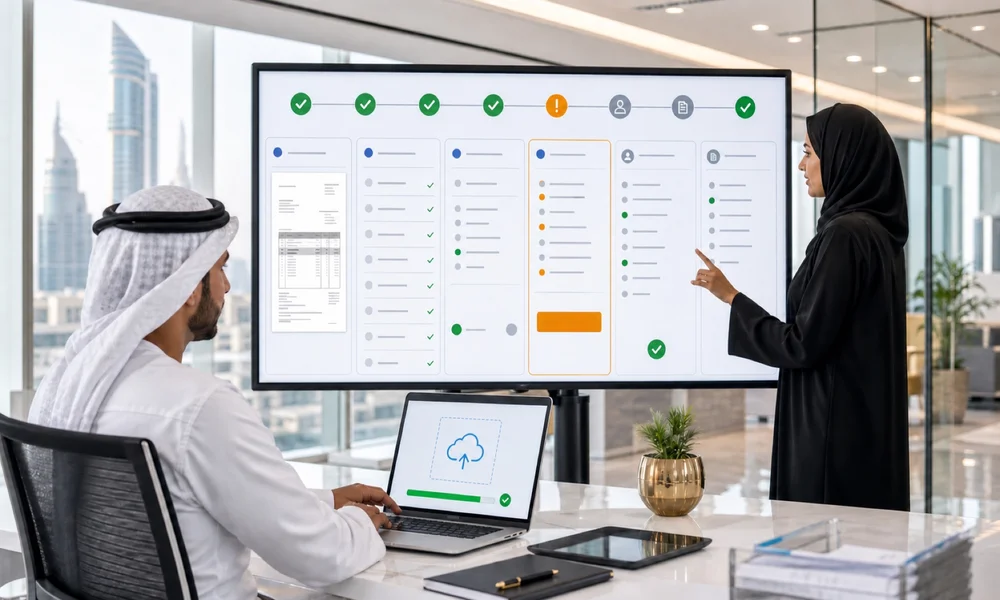
Accepting online payments is a vital part of running a business. However, businesses usually need approval from a payment processor before they can start accepting digital payments. Preparing the right information and understanding the approval process can make it easier for a business to get started without unnecessary delays.
Securing merchant approval is a critical step in this process, as financial networks carefully review applicant profiles to assess credit risk, business stability, and overall regulatory compliance before authorizing an account. By proactively addressing potential underwriting concerns and demonstrating operational transparency early on, companies can significantly streamline these evaluations and secure the payment accounts they need to launch smooth checkout operations.
Payment processors allow businesses to accept different forms of digital payments, including credit cards, debit cards, online banking, digital wallets, and other electronic payment methods.
Understand the Approval Process
The first step is to understand what the payment processor may require. Businesses are commonly asked to provide information about their company, products or services, expected transaction volume, and customers. They may also need to submit identification and business documents.
Having these details ready can help reduce delays. Businesses should make sure that all information provided during the application is accurate and consistent.
Prepare Important Documents
Proper documentation is an important part of payment processor approval. Depending on the type of business, documents may include business registration details, tax information, bank account details, identification documents, and proof of business address.
Businesses should organize these documents before applying. If information is missing or unclear, the approval process may take longer.
Choose Suitable Payment Methods
Businesses should consider how their customers prefer to pay. Different payment options can help companies serve a wider audience and make the checkout process more convenient.
Credit and debit cards, online banking, digital wallets, and other digital payment methods can be useful depending on the business model. Companies should select options that match their customers and expected transaction activity.
Make the Checkout Process Simple
A complicated payment process can cause customers to leave before completing a purchase. Businesses should aim for a checkout experience that is simple, clear, and easy to use.
Payment pages should clearly display important information such as prices, payment instructions, refund terms, and contact details. A smooth checkout process can improve customer confidence and reduce unnecessary payment problems.
Follow Security Requirements
Payment processors pay close attention to security because online transactions involve sensitive customer information. Businesses should use appropriate security measures to protect payment and customer data.
Companies should also understand the security and compliance requirements that apply to their payment activities. Following these requirements can help build trust and support a smoother approval process.
Be Ready for Business Verification
Some businesses may go through additional checks before approval. The processor may want to understand the products or services being sold, the countries where the business operates, and the expected transaction volume.
Businesses should provide clear and honest information during this process. Any major differences between the information submitted and actual business activities may create delays or additional reviews.
Final Thoughts
Preparing for payment processor approval requires organization, accurate information, proper documentation, strong security, and a clear understanding of customer payment needs. Businesses should prepare their documents in advance and make sure their payment process is simple and secure.
With the right preparation, businesses can make the approval process more efficient and build a reliable foundation for accepting online payments as they grow.
